Veganism has surged in popularity over the past few years, evolving from a niche lifestyle choice into a mainstream dietary preference embraced by millions around the globe. This shift is driven by various factors, including ethical considerations, environmental awareness, and health benefits. However, transitioning to a vegan diet requires thoughtful planning to ensure that it is nutritionally balanced. The significance of maintaining a balanced diet cannot be overstated, as it forms the foundation of our health and well-being. A balanced vegan diet not only supports physical health but also enhances mental clarity and emotional stability, allowing individuals to thrive in their daily lives.
Key Nutrients in a Balanced Vegan Diet
Protein Sources for Vegans
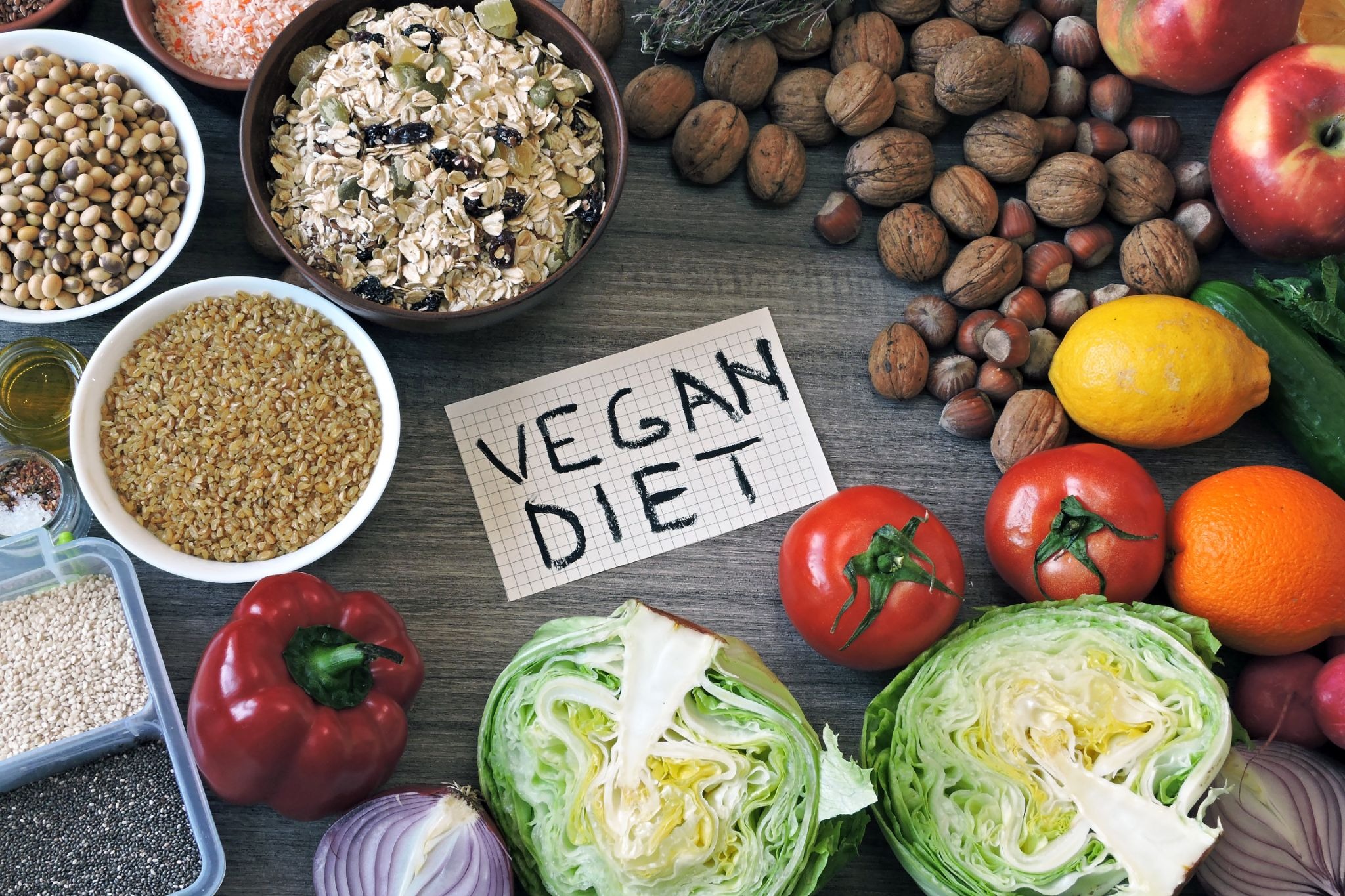
One of the most common concerns for those adopting a vegan lifestyle is obtaining adequate protein. Contrary to the myth that plant-based diets lack sufficient protein, there are numerous excellent sources available. Legumes such as lentils, chickpeas, and beans are rich in protein and also provide essential fiber. Additionally, whole grains like quinoa and brown rice contain significant protein levels, especially when combined with legumes to form a complete amino acid profile.
Nuts and seeds, including almonds, chia seeds, and hemp seeds, are also great sources of plant-based protein. To ensure you are getting enough protein, aim to incorporate a variety of these sources into your meals daily. Combining different protein sources not only enhances the nutritional value of your diet but also adds excitement and flavor to your meals.
Essential Fatty Acids
Healthy fats play a vital role in maintaining overall health, especially for vegans who may be concerned about omega-3 and omega-6 fatty acids. These essential fatty acids are crucial for brain function, hormone production, and reducing inflammation in the body. While fatty fish are a common source of omega-3s, plant-based alternatives can easily meet these needs.
Flaxseeds, chia seeds, and walnuts are excellent sources of omega-3 fatty acids, while sunflower seeds and pumpkin seeds provide omega-6 fatty acids. Incorporating a tablespoon of flaxseed or chia seeds into smoothies or oatmeal can boost your omega-3 intake effortlessly. By prioritizing these healthy fats, you not only enhance your diet but also promote heart health and overall well-being.
Vitamins and Minerals
When following a vegan diet, it’s essential to monitor specific vitamins and minerals that may be challenging to obtain in adequate amounts. Vitamin B12, commonly found in animal products, is crucial for nerve function and the production of red blood cells. Vegans should consider fortified foods, such as plant-based milks and breakfast cereals, or opt for a B12 supplement to ensure they meet their daily needs.
Vitamin D is another nutrient that can be hard to come by, especially in colder climates with limited sunlight. While some foods are fortified with vitamin D, spending time outdoors and taking a vitamin D supplement during winter months may be necessary. Iron and calcium are also vital for vegans. Dark leafy greens, legumes, and fortified plant-based milks can help meet these needs effectively. By being mindful of these essential vitamins and minerals, you can maintain a balanced vegan diet that supports your overall health.
Building Your Vegan Plate
The Importance of Variety
A balanced vegan diet thrives on variety. Including a wide range of fruits, vegetables, grains, legumes, nuts, and seeds not only ensures you receive all the necessary nutrients but also keeps your meals exciting and enjoyable. Each food group brings unique benefits, and combining them allows you to create nutrient-dense meals.
Aim to fill your plate with colorful produce, as different colors often signify different nutrients. For instance, dark leafy greens provide iron and calcium, while orange and yellow vegetables are rich in vitamin C and beta-carotene. Experimenting with various cuisines and dishes can help you discover new flavors and textures, making your vegan journey a delightful culinary adventure.
Meal Planning and Preparation
Effective meal planning is crucial for maintaining a balanced vegan diet. Taking the time to plan your meals for the week can save you time, money, and stress. Start by choosing a few recipes that incorporate a variety of ingredients, ensuring you include protein, healthy fats, and a range of vegetables.
Meal prepping is another valuable strategy. Prepare your ingredients in advance by chopping vegetables, cooking grains, and portioning out snacks. Having pre-prepared meals and snacks on hand makes it easier to stick to your dietary goals, especially during busy days. By investing time in meal planning and preparation, you set yourself up for success.
Common Challenges and Solutions
Overcoming Nutritional Deficiencies
While a vegan diet can be incredibly nutritious, some individuals may face challenges related to nutritional deficiencies. Identifying potential deficiencies early on is essential for maintaining optimal health. Fatigue, brittle nails, and hair loss can be signs of deficiencies in key nutrients.
To combat these issues, consider keeping a food journal to track your daily intake and ensure you’re consuming a variety of foods. Consulting with a healthcare professional or registered dietitian can provide personalized guidance and help you develop a plan to address any deficiencies effectively. Regular blood tests can also help monitor your nutrient levels, allowing for timely interventions if necessary.
Managing Cravings and Temptations
Cravings for non-vegan foods can be a common challenge for those transitioning to a vegan lifestyle. It’s essential to acknowledge these cravings without guilt and to explore healthy alternatives. Instead of focusing on what you can’t have, think about the delicious plant-based options available to you.
Experimenting with vegan versions of your favorite comfort foods can satisfy cravings while keeping you aligned with your dietary choices. For example, if you miss cheese, try cashew cheese or nutritional yeast as a tasty alternative. Creating a balanced meal plan that includes your favorite flavors can help reduce cravings and make your vegan journey more enjoyable.
Supplementation for a Balanced Vegan Diet
When to Consider Supplements
While a well-planned vegan diet can provide most of the nutrients you need, there are instances where supplementation may be necessary. For example, if you have limited sun exposure, a vitamin D supplement can help maintain optimal levels. Additionally, if you struggle to meet your protein needs or are concerned about specific vitamins and minerals, a quality supplement may be beneficial.
A registered dietitian can help you determine which supplements are appropriate for your individual needs, ensuring you maintain a balanced and healthy diet.
Choosing Quality Supplements
When selecting supplements, it’s crucial to choose high-quality products from reputable brands. Look for supplements that are third-party tested for purity and potency. Vegan certifications can also help ensure that the products align with your dietary preferences.
Consulting with a healthcare professional before starting any new supplement regimen is always a wise choice. They can provide personalized recommendations based on your dietary habits and health goals.
Lifestyle Tips for Success
Staying Informed and Educated
As you navigate your vegan journey, staying informed about nutrition and dietary guidelines is essential. Numerous resources, including books, reputable websites, and nutrition courses, can provide valuable information about veganism and plant-based nutrition. Engaging with current research and nutritional science can empower you to make informed choices and adapt your diet as needed.
By following expert advice and staying updated on nutrition trends, you can build a balanced vegan diet that meets your needs.
Connecting with the Vegan Community
Engaging with the vegan community can provide support, motivation, and inspiration. Connecting with others who share similar values can help you stay committed to your dietary choices and introduce you to new ideas and recipes. Local vegan groups or online forums can serve as valuable resources for sharing experiences, seeking advice, and celebrating milestones together.
Finding a supportive community can make your vegan journey not only more manageable but also more enjoyable.
Conclusion
Maintaining a balanced vegan diet is a rewarding journey that nourishes both the body and the soul. By understanding key nutrients, planning meals, and staying informed, you can ensure your vegan lifestyle is both enjoyable and nutritionally adequate. Embrace the variety of plant-based foods available and connect with the vibrant vegan community around you. Remember, the journey is not just about what you eat, but about fostering a lifestyle that aligns with your values and promotes health and well-being. With the right knowledge and commitment, you can thrive on a balanced vegan diet and inspire others to join you on this fulfilling path.
FAQs
What are the best protein sources for vegans?
The best protein sources for vegans include legumes, lentils, chickpeas, quinoa, nuts, and seeds. Combining these foods can help ensure you get a complete amino acid profile.
How can I ensure I’m getting enough vitamin B12 on a vegan diet?
Vegans can obtain vitamin B12 through fortified foods such as plant-based milks, cereals, and nutritional yeast, or by taking a B12 supplement.
What should I do if I experience fatigue on a vegan diet?
If you experience fatigue, consider evaluating your nutrient intake, including iron and vitamin B12 levels. Consulting with a healthcare professional can provide guidance and support.
Are there specific foods to avoid for better health?
While there are no specific foods that all vegans must avoid, focusing on whole, minimally processed foods is key to maintaining a balanced diet. Limiting added sugars and unhealthy fats can contribute to better overall health.