

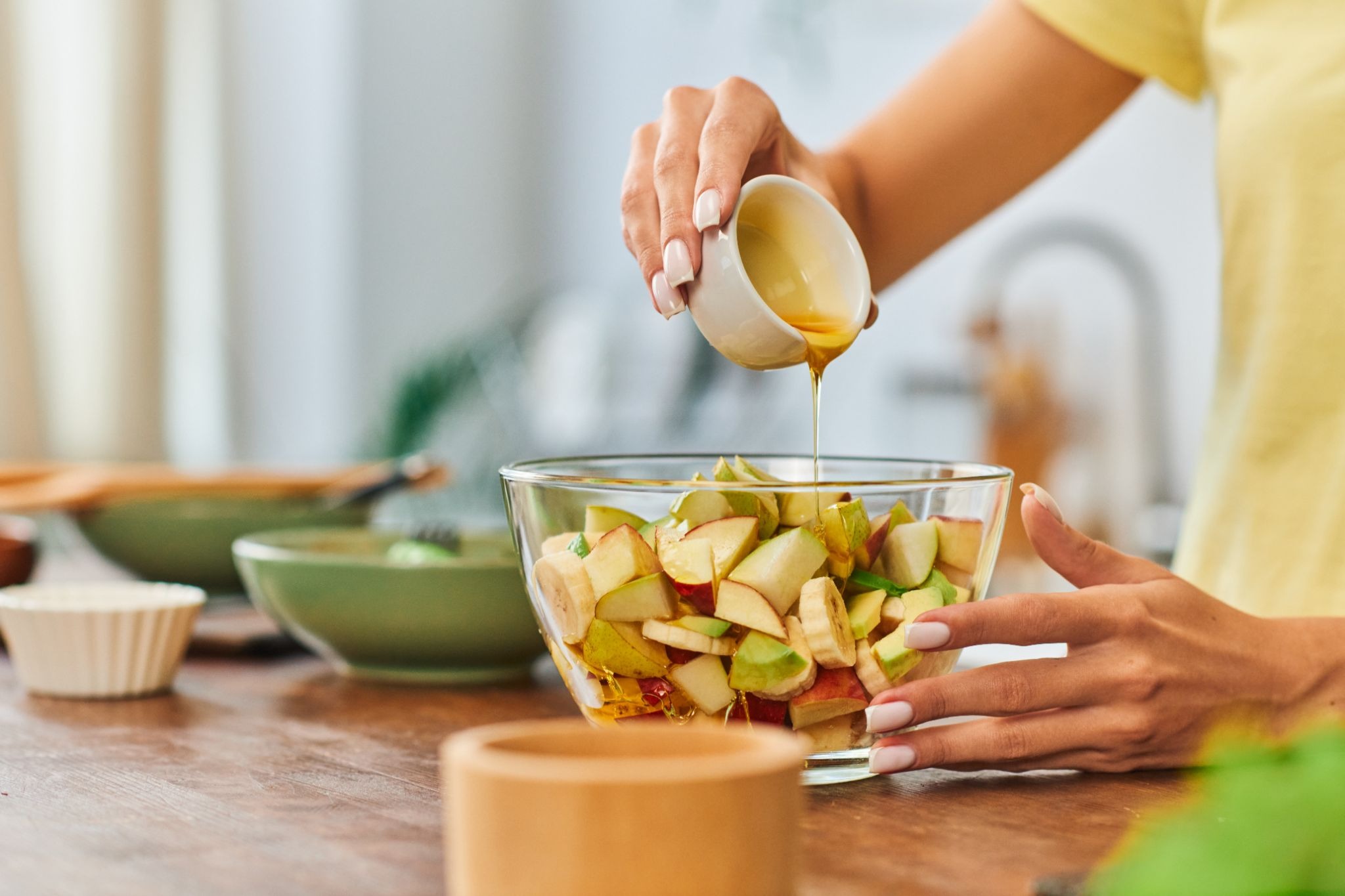
Healthy eating often carries the stigma of blandness. Many assume that reducing sugar in meals means sacrificing taste. In reality, sugar-free healthy recipes can be vibrant, complex, and deeply satisfying. The secret lies in understanding how flavors interact and using natural ingredients to amplify taste.
Modern culinary techniques allow you to bring out sweetness without refined sugar, balance acidity, and enhance aromas in ways that make meals exciting. Learning these strategies transforms your approach to cooking, making it possible to enjoy food that is both nutritious and indulgent.
The key is intentionality. Instead of relying on sugar as a shortcut to flavor, you focus on layering tastes, textures, and aromas. This creates dishes that are rich, satisfying, and health-conscious, proving that sugar-free does not mean joyless.
Understanding Natural Sweetness in Ingredients
To make sugar-free healthy recipes appealing, you must recognize the inherent sweetness in fruits, vegetables, and other whole foods. Carrots, beets, sweet potatoes, and certain squashes carry natural sugars that can provide depth without refinement. Fruits like apples, pears, and berries bring both sweetness and acidity, creating balance in dishes.
Using these ingredients strategically allows you to replace processed sugar with nuanced flavors. Roasting vegetables, for instance, caramelizes their natural sugars, intensifying sweetness without adding calories. Similarly, incorporating ripe fruits into smoothies, desserts, or sauces can enhance flavor complexity while keeping recipes healthy.
Harnessing Herbs and Spices for Depth
Herbs and spices are powerful tools in sugar-free cooking. Cinnamon, nutmeg, cardamom, and vanilla extract provide the perception of sweetness, even without sugar. Fresh herbs like mint, basil, and rosemary introduce freshness and aroma, elevating dishes from ordinary to memorable.
Spices also work synergistically. For instance, combining cinnamon with roasted apples deepens flavor, while ginger paired with carrots adds warmth and sweetness. Mastering this layering technique is a hallmark of expert cooking and allows sugar-free recipes to feel indulgent without compromising health.
The Role of Acidity in Balancing Flavors
Acidity is often overlooked in healthy cooking. Lemon juice, lime, and vinegar do more than add tang; they balance sweetness, heighten aromas, and reduce perceived bitterness. Adding a splash of balsamic vinegar to roasted vegetables, or a squeeze of lemon over a salad, brightens flavors and creates harmony.
Acidic components stimulate taste buds, enhancing natural flavors in sugar-free recipes. This technique is essential for chefs and home cooks seeking depth and complexity in meals without relying on added sugars.
Using Texture to Enhance Perception of Flavor
Texture influences how flavors are perceived. Crunchy elements like toasted nuts, seeds, or granola add contrast, making dishes feel more satisfying. Creamy textures from yogurt, avocado, or pureed vegetables add richness that compensates for the absence of sugar.
Even small adjustments, like roasting chickpeas to add crunch or blending nuts into a dessert base, can dramatically enhance the eating experience. Textural variety ensures that sugar-free healthy recipes are not only flavorful but also engaging on multiple sensory levels.
Exploring Alternative Sweeteners Wisely
Not all sweeteners are equal. Natural alternatives such as stevia, monk fruit, and erythritol can add sweetness without refined sugar. However, moderation is key, as overuse can result in an artificial aftertaste.
Pairing these sweeteners with natural ingredients, like using monk fruit in a berry compote, enhances taste without overwhelming the palate. Understanding the science behind each sweetener allows you to choose the right one for each recipe, preserving both flavor and health benefits.
Cooking Techniques That Elevate Flavor
Roasting and Caramelization: Dry heat techniques transform sugars naturally present in vegetables and fruits, creating richer, deeper flavors without added sugar.
Toasting and Grinding Spices: Releases essential oils and intensifies aromas, making dishes more vibrant.
Slow Cooking: Encourages complex flavor development, particularly in stews, soups, and sauces.
Blending and Pureeing: Creates smooth textures and allows natural ingredients to integrate, enhancing perceived sweetness and richness.
These techniques show that cooking methods can be as impactful as ingredients themselves in creating sugar-free healthy recipes that excite the palate.
Balancing Sweet, Salty, Sour, and Bitter
The concept of flavor balance is central to making sugar-free dishes enjoyable. Sweetness from natural sources should be paired with salty, sour, or bitter elements to create complexity. For example, adding a pinch of sea salt to a roasted carrot dish enhances the sweetness, while a drizzle of balsamic vinegar intensifies flavor depth. Similarly, bitterness from leafy greens can be countered with naturally sweet roasted vegetables, creating harmony on the plate. Understanding this interplay allows cooks to craft dishes that feel complete and satisfying without sugar.
Expert Advice: Creating Sugar-Free Recipes That Wow
Professional chefs approach sugar-free cooking with creativity and precision. Key strategies include starting with high-quality ingredients, thinking about flavor in layers, and tasting frequently throughout preparation. Another expert tip is to consider the end-to-end experience: aroma, texture, presentation, and temperature all contribute to perceived sweetness and enjoyment. Even subtle adjustments, like roasting rather than boiling vegetables, or adding a finishing sprinkle of citrus zest, can transform ordinary recipes into memorable meals.
Common Mistakes and How to Avoid Them
Relying solely on one type of flavor, which leads to flat, one-dimensional dishes.
Overusing artificial sweeteners, which can create off-flavors.
Ignoring texture, which can make meals feel dull despite flavorful ingredients.
Failing to consider acidity and contrast, resulting in unbalanced taste profiles.
Avoiding these pitfalls ensures that your sugar-free healthy recipes remain satisfying, complex, and truly enjoyable.
Conclusion
Making sugar-free healthy recipes flavorful requires intentionality and skill. By leveraging natural sweetness, spices, herbs, acidity, and texture, you can elevate dishes beyond the perception of blandness. Cooking without sugar challenges you to think creatively and layer flavors in ways that engage all senses.
The result is a dining experience that is as emotionally satisfying as it is health-conscious. With practice, any cook can master sugar-free recipes that delight the palate, proving that healthy eating and rich flavor are not mutually exclusive.
FAQs
How can I make sugar-free recipes taste naturally sweet?
Focus on ingredients with inherent sugars like carrots, sweet potatoes, beets, and ripe fruits. Roasting, caramelization, and pairing with warm spices can enhance natural sweetness without adding sugar.
Are alternative sweeteners a healthy option?
Natural sweeteners like stevia, monk fruit, or erythritol can be used in moderation. Pair them with whole ingredients to maintain flavor balance and avoid artificial aftertaste.
How do I prevent sugar-free dishes from tasting bland?
Layer flavors using herbs, spices, acidity, and texture. Techniques like roasting, toasting, or slow-cooking amplify natural flavors, creating richness and depth even without sugar.