

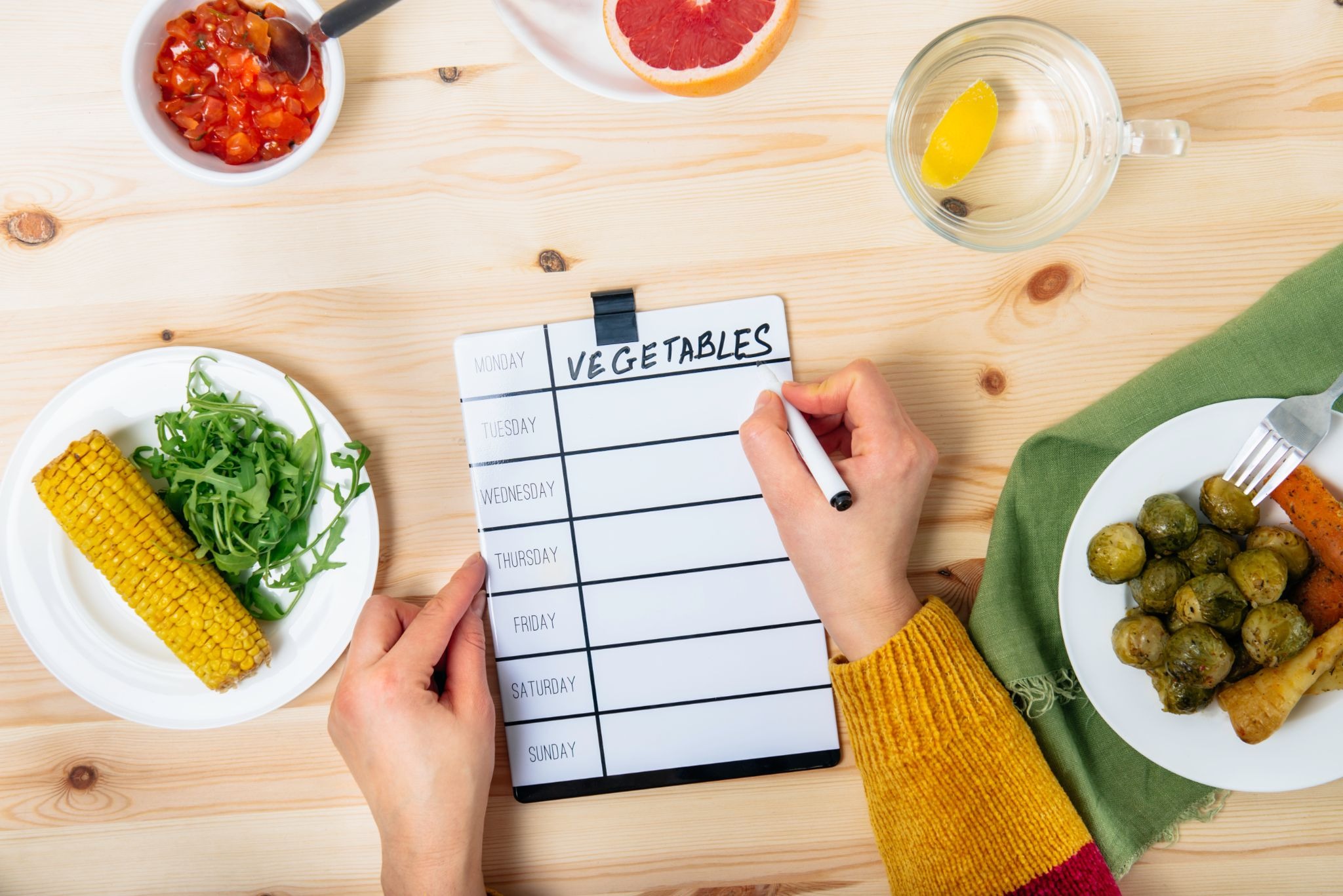
Meal planning is a powerful tool for anyone looking to adopt a healthier lifestyle. It not only simplifies the cooking process but also ensures that you have nutritious meals ready to go throughout the week. By focusing on healthy recipes, you can enhance your overall well-being, maintain a balanced diet, and enjoy delicious food without the stress of last-minute cooking. In this blog, we will explore how to effectively plan a weekly menu using healthy recipes that cater to your needs and preferences.
Understanding Healthy Recipes
What Constitutes a Healthy Recipe?
Healthy recipes are built on a foundation of nutritious ingredients that promote wellness and vitality.
Key Ingredients That Promote Health
When considering a healthy recipe, think about incorporating whole foods such as lean proteins, whole grains, fresh vegetables, and healthy fats. Ingredients like quinoa, brown rice, leafy greens, and avocados not only provide essential nutrients but also keep you feeling satisfied.
Balancing Macronutrients in Meals
A well-balanced meal typically contains a mix of carbohydrates, proteins, and fats. For example, a healthy recipe might include grilled chicken (protein), roasted sweet potatoes (carbohydrates), and a drizzle of olive oil (healthy fat). This balance is crucial for maintaining energy levels and supporting overall health.
Benefits of Healthy Recipes
Healthy recipes offer a multitude of benefits that extend beyond just physical health.
Weight Management and Health Improvement
Eating nutritious meals can significantly impact weight management by reducing cravings and promoting a feeling of fullness. Research shows that diets rich in whole foods can lead to better weight control and lower the risk of chronic diseases such as heart disease and diabetes.
Enhancing Energy Levels and Mood
The right foods can also influence your mood and energy levels. Consuming a diet rich in vitamins, minerals, and antioxidants can improve cognitive function and emotional well-being. Healthy recipes that include ingredients like berries, nuts, and leafy greens can provide the mental clarity and stamina needed to tackle your day.
Steps to Plan Your Weekly Menu
Assessing Your Dietary Needs
Before diving into the world of healthy recipes, it’s essential to assess your own dietary needs.
Understanding Personal Health Goals
Take some time to reflect on your health goals. Are you looking to lose weight, build muscle, or simply maintain a balanced diet? Understanding your objectives will guide you in selecting recipes that align with your aspirations.
Considering Dietary Restrictions and Preferences
It’s also important to acknowledge any dietary restrictions or preferences you may have, such as vegetarianism, gluten intolerance, or allergies. This awareness will help you narrow down your recipe options and ensure that your weekly menu is both enjoyable and safe to consume.
Selecting Healthy Recipes
Finding the right healthy recipes is key to creating a successful menu.
Sources for Finding Healthy Recipes
There are numerous sources for discovering healthy recipes. Cookbooks, food blogs, and nutrition websites often feature a wealth of options. Additionally, social media platforms like Instagram and Pinterest are fantastic for visual inspiration and recipe ideas.
Choosing Recipes That Align with Your Goals
When selecting recipes, aim for a variety of flavors and textures to keep your meals interesting. Look for recipes that utilize seasonal ingredients, as they are often more flavorful and cost-effective. Don’t hesitate to try new cuisines or cooking methods to expand your culinary repertoire.
Creating a Balanced Menu
A well-thought-out menu is essential for a successful week of healthy eating.
Incorporating Variety to Prevent Boredom
To avoid meal fatigue, incorporate a variety of recipes throughout the week. This could mean alternating between different proteins, exploring various cooking styles, or including international dishes that excite your palate.
Planning for Leftovers and Batch Cooking
Batch cooking can be a game changer in the meal planning process. Prepare larger portions of certain recipes so you can enjoy leftovers for lunch or dinner later in the week. This not only saves time but also ensures you always have a healthy meal on hand.
Shopping for Ingredients
Organizing Your Grocery List
A well-organized grocery list can streamline your shopping experience.
Categorizing Ingredients for Efficient Shopping
Group your grocery items by category, such as produce, proteins, grains, and dairy. This organization helps you navigate the store more efficiently and reduces the likelihood of forgetting essential ingredients.
Tips for Buying Fresh and Seasonal Produce
When shopping for produce, prioritize freshness and seasonality. Seasonal fruits and vegetables not only taste better but are also more economical. Visit local farmers’ markets whenever possible to support local agriculture and find the freshest options.
Budgeting for Healthy Eating
Eating healthy doesn’t have to break the bank.
Finding Affordable Healthy Options
Look for sales and discounts on healthy foods. Many stores offer weekly specials on fresh produce, whole grains, and lean meats. Consider shopping in bulk for items like nuts, seeds, and grains, as this can significantly reduce costs.
Meal Prepping to Save Money
Meal prepping is an excellent way to save money while ensuring you eat healthily. By preparing meals in advance, you can minimize food waste and avoid the temptation to eat out. Cooking in bulk allows you to stretch your budget further while enjoying nutritious meals.
Cooking and Preparation Tips
Efficient Cooking Techniques
Making the most of your time in the kitchen is essential for successful meal planning.
Meal Prepping Basics for Busy Lifestyles
Set aside a few hours each week to meal prep. Focus on chopping vegetables, cooking grains, and preparing proteins in advance. Store these components in airtight containers to make assembling meals quick and easy throughout the week.
Time-Saving Kitchen Tools and Gadgets
Investing in kitchen gadgets like slow cookers, pressure cookers, and meal prep containers can save you time and effort. These tools can help streamline your cooking process, making it easier to whip up healthy meals even on your busiest days.
Storing and Reheating Healthy Meals
Proper storage and reheating techniques can help maintain the quality of your meals.
Best Practices for Meal Storage
Store meals in labeled containers to avoid confusion and ensure freshness. Invest in high-quality, airtight containers to keep your food safe and flavorful. Most cooked meals can be refrigerated for up to four days, while freezing can extend their lifespan even further.
Reheating Methods That Preserve Nutrients
When reheating meals, opt for gentle methods like steaming or microwaving on low power. These techniques help retain nutrients and prevent overcooking, which can diminish the flavor and texture of your healthy recipes.
Conclusion
Planning a weekly menu using healthy recipes is an empowering way to take control of your nutrition. By understanding your dietary needs, selecting balanced recipes, and organizing your shopping and cooking processes, you can set yourself up for success. Embrace the journey of healthy eating and savor the delicious meals you create. With a little planning and creativity, you can enjoy flavorful, nutritious dishes that support your health and well-being.
FAQs
How do I balance macronutrients in my meals?
Balancing macronutrients involves including a source of protein, healthy fats, and complex carbohydrates in each meal. For example, pair grilled chicken (protein) with brown rice (carbohydrate) and avocado (fat) for a well-rounded dish.
Can I adapt recipes to fit dietary restrictions?
Absolutely! Many recipes can be easily modified by substituting ingredients to meet dietary needs, such as using gluten-free grains or plant-based proteins.
What are some quick healthy recipes for busy nights?
Quick healthy recipes might include stir-fries with pre-chopped vegetables, omelets packed with greens, or grain bowls topped with your favorite proteins and sauces.